

May Day in Spain, known as Día del Trabajador (Labour Day) or ‘Primero de Mayo’, is an official nationwide public holiday celebrated every May 1st. It commemorates international workers’ rights and is marked by labour union marches, rallies, and a relaxing day off for the general public.
What to expect on 1 May
Business closures: As a national ‘festivo’, banks, schools, and most retail shops and supermarkets are closed.
Hospitality: Bars, cafes, and restaurants often stay open, especially in tourist-heavy regions or coastal towns.
Public transport: Trains, buses and metros operate on reduced holiday schedules.
Demonstrations: Major cities host organised marches where labour unions and civic groups advocate for workplace rights, fair wages and social progress.
Historical context
Spain was actually the first European country to officially celebrate Labour Day in 1889, honouring the labour movement following the Haymarket Affair in Chicago. The holiday’s history in Spain is complex; it was heavily restricted and sometimes completely banned during the Franco regime before being reinstated in the late 1970s.
Traditional spring festivals
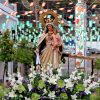
Depending on the region, ‘May Day’ also features ancient springtime traditions. For example, in Galicia and parts of central Spain, you may encounter the ‘Fiesta de los Mayos’. This is a pre-Christian, Celtic-origin festival celebrating the arrival of spring with folk songs, dances, and competitions involving intricate sculptures made of moss and flowers.